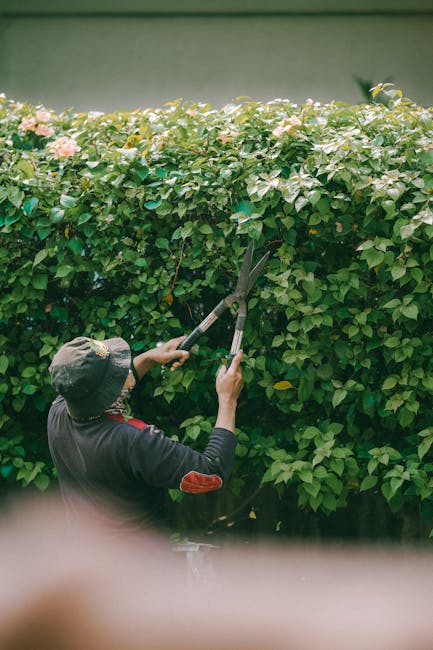
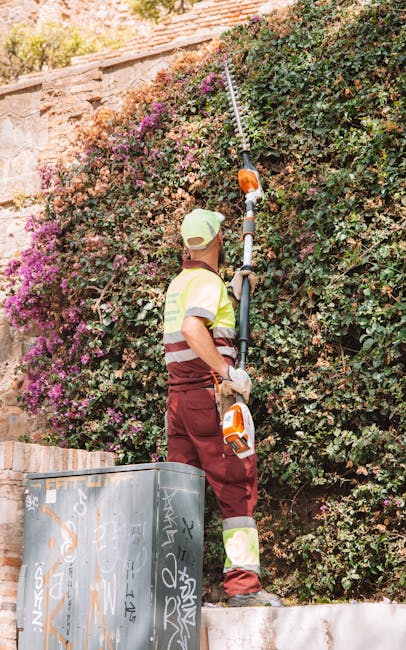
Coney Hall gardeners same day emergency hedge trimming: fast, practical help when hedges cannot wait
If your hedge has suddenly become a problem, you usually know it straight away. A branch is hanging over the path. Visibility at the driveway is poor. Neighbours are getting frustrated. Or maybe the wind has done its thing overnight and now the hedge looks untidy, unstable, or just plain unsafe. That is where Coney Hall gardeners same day emergency hedge trimming becomes more than a convenience - it becomes the sensible next step.
This guide explains what emergency hedge trimming involves, when it makes sense, how a same-day service typically works, and what to expect from a local gardener in Coney Hall. You will also find practical tips, common mistakes to avoid, a comparison of options, and a checklist you can use before booking. If you are dealing with a hedge that needs sorting quickly, let's make the situation a bit clearer.
Table of Contents
- Why Coney Hall gardeners same day emergency hedge trimming Matters
- How Coney Hall gardeners same day emergency hedge trimming Works
- Key Benefits and Practical Advantages
- Who This Is For and When It Makes Sense
- Step-by-Step Guidance
- Expert Tips for Better Results
- Common Mistakes to Avoid
- Tools, Resources and Recommendations
- Law, Compliance, Standards, or Best Practice
- Options, Methods, or Comparison Table
- Case Study or Real-World Example
- Practical Checklist
- Conclusion
- Frequently Asked Questions
Why Coney Hall gardeners same day emergency hedge trimming Matters
Emergency hedge work is not just about appearance. In a place like Coney Hall, where gardens often sit close to pavements, driveways, front boundaries, and shared access routes, an overgrown hedge can quickly become a practical issue. A hedge that looked "fine enough" last week can become a hazard after strong wind, heavy rain, or one very enthusiastic growth spurt in the wrong direction. Truth be told, hedges have a habit of growing exactly when you least want them to.
Same-day hedge trimming matters because the problem can escalate fast. A leaning hedge may reduce visibility for drivers leaving a driveway. Low branches can obstruct pedestrians, bins, or deliveries. Dense growth can also catch on vehicle mirrors, scratch paintwork, and create tension with neighbours. If you have ever had to squeeze past a hedge with shopping bags in one hand and a gate latch in the other, you will know how quickly "a bit untidy" becomes annoying.
There is also the safety side. After a storm, broken stems and split limbs can be unstable. Some hedges are deceptively heavy, and if a damaged section gives way it can fall suddenly. That is one reason local gardeners often approach emergency trimming with a practical, risk-aware mindset rather than a purely cosmetic one.
For readers who want a broader view of local garden support, it can also help to look at services like garden maintenance in Coney Hall and professional hedge cutting, because emergency trimming usually sits within a wider routine of seasonal care. If the hedge issue is part of a bigger garden problem, that context matters.
How Coney Hall gardeners same day emergency hedge trimming Works
The exact process varies by company, but a reliable same-day service usually follows a fairly simple pattern. You contact the gardener, explain the issue, share a few photos if possible, and say how urgent it is. From there, the gardener assesses whether the job is suitable for same-day attendance, what equipment is needed, and whether access or waste removal will affect timing.
In practice, the fastest jobs are often the ones with clear instructions. A quick photo of the hedge, a short note about what needs cutting, and a mention of any access details can save time. For example, if the hedge is on the boundary beside a side gate or if there is a parked vehicle that needs moving, that helps the gardener plan properly. A little bit of preparation goes a long way.
Same-day emergency hedge trimming is not always a full reshape. Sometimes it is a safety cut, a visibility reduction, or a temporary make-safe trim until fuller work can be booked later. That is actually quite normal. In an emergency, the main goal is usually to restore access, reduce risk, and bring the hedge back to a workable condition.
Many local gardeners also explain whether the job needs hand tools, a pole hedge trimmer, a ladder, or a more careful sectional cut. The method depends on hedge height, thickness, bird activity, weather, and the level of overgrowth. If the hedge is tall, tightly packed, or awkwardly positioned, a gardener may decide that a staged trim is safer than trying to do everything in one go. Sensible, really.
Key Benefits and Practical Advantages
The biggest benefit is speed. When a hedge is affecting safety, access, or neighbour relations, same-day support can stop a small issue becoming a bigger headache. That alone is often worth it. But there are several other practical advantages too.
- Restores visibility: Especially important for driveways, corners, and paths where sight lines matter.
- Reduces immediate risk: Damaged or unstable growth can be cut back before it causes injury or property damage.
- Improves access: Gates, bins, side entrances, and communal paths become easier to use.
- Protects kerb appeal: A quick tidy-up can make a frontage look cared for even when the rest of the garden is still catching up.
- Helps with neighbour harmony: A prompt response can prevent complaints from escalating. Nobody enjoys that awkward fence-line conversation.
There is also a less obvious advantage: a same-day visit can reveal whether the hedge has a deeper issue, such as disease, root stress, storm damage, or poor previous cutting. Sometimes what looks like an "urgent trim" is actually a sign that the hedge needs more thoughtful management over the next few weeks. An experienced gardener will usually point that out rather than just hacking away and hoping for the best.
Expert summary: the real value of emergency hedge trimming is not just speed, but restoring control. You get the immediate problem dealt with, and you get a clearer sense of what the hedge needs next. That is useful, especially when the weather has been less than kind.
Who This Is For and When It Makes Sense
This service is a strong fit for homeowners, landlords, letting agents, property managers, and anyone responsible for boundary hedging in Coney Hall. It is especially useful if the hedge affects movement, visibility, or safety and cannot reasonably wait for a routine booking.
It makes sense in situations like these:
- a hedge is blocking a path or entrance
- storm damage has left branches split or hanging
- the front hedge has grown into the pavement line
- overgrowth is obscuring road sight lines
- a neighbour has flagged a boundary concern
- you need to prepare a property for inspection, sale, or new tenants
It is also helpful if you are not physically able to deal with the hedge yourself, or if you do not have the right tools. Hedge work can look deceptively straightforward from the pavement. Then you get the ladder out, the hedge is thicker than expected, and suddenly it's a whole afternoon. Happens all the time.
For more routine support, readers often also explore garden clearance services and tree surgery and larger vegetation work. That is worth noting because sometimes what appears to be a hedge issue also involves nearby shrubs or trees pressing into the same space.
Step-by-Step Guidance
If you need emergency hedge trimming today, here is a practical way to handle it without making the situation more stressful than it already is.
- Assess the urgency. Ask whether the hedge is mainly untidy, or whether it is actually causing a hazard. If there is low visibility, unstable growth, or blocked access, treat it as urgent.
- Take a few clear photos. Include the full hedge, the problem area, and any access constraints. A good photo often saves a lot of back-and-forth.
- Describe the issue plainly. Say what happened, when it happened, and what outcome you need. For example: "Storm branch is hanging over the driveway and needs making safe today."
- Check access. Make sure gates can be opened, vehicles can be moved if needed, and pets are secured. It sounds obvious, but in the rush, these little things are easy to miss.
- Ask what the trim includes. Will it be a safety cut, a neat reduction, or a full tidy with waste removal? Clarity here avoids disappointment later.
- Confirm waste handling. Hedge clippings can fill bins quickly. A good gardener will explain whether removal is included or needs to be arranged separately.
- Walk the result before the team leaves. Check visibility, access, and boundary lines. If you want a slightly different finish, say so while the tools are still out.
One small but useful detail: if the hedge borders a public footpath or road, mention that early. It helps the gardener plan for safe working and tidy debris collection, which can be the difference between a smooth visit and a slightly messy one.
Expert Tips for Better Results
Emergency work is about speed, but speed should not turn into sloppiness. A few professional habits make a big difference to the final outcome.
1. Aim for safe reduction first, perfect shape second
If the hedge is damaged or dangerously overgrown, the first job is to make it safe and functional. The ideal shape can come later. That is not lowering the standard; it is prioritising correctly.
2. Keep cuts consistent where possible
Uneven cutting can leave the hedge looking patchy and may encourage awkward regrowth. A steady line, even on a quick job, helps the hedge recover more cleanly.
3. Avoid over-cutting live growth
Some hedges tolerate hard cuts better than others. A skilled gardener knows how far to go without stripping the hedge bare. Over-trimming can leave brown gaps that take ages to fill in. Not ideal, obviously.
4. Think about the next six weeks, not just today
Good hedge work looks decent now and still makes sense a month later. That means considering how new growth will respond, especially during the warmer months when hedges can rebound quickly.
5. Use the emergency visit to plan the next maintenance cut
If today's work is only a temporary solution, ask when the hedge should be revisited. A smart follow-up saves money and stress in the long run.
A useful local mindset is this: don't wait until the hedge is shouting for attention. If a hedge is already affecting the way you move around your property, that is often the right moment to act.
For ongoing upkeep, many property owners combine emergency help with seasonal garden care and shrub and hedge pruning, which can prevent the same issue returning so quickly.
Common Mistakes to Avoid
People often make perfectly understandable mistakes when they are trying to solve a hedge problem in a hurry. The trouble is, some of those mistakes make the job harder or more expensive than it needs to be.
- Waiting too long: Small overgrowth can be dealt with easily. Once access or safety is affected, things get more complicated.
- Not explaining the urgency: If the hedge is obstructing a driveway or public path, say so clearly. "It needs a tidy" is not the same as "It is blocking access."
- Trying to force a dramatic reshaping on the day: Emergency work is often best kept focused. Deep renovation can be a separate visit.
- Ignoring bird nesting season considerations: Hedge work should be timed carefully if nesting birds may be present. A responsible gardener will check before cutting.
- Forgetting waste volume: Hedge trimmings are bulky. If clippings have nowhere to go, the job can end up looking unfinished.
- Doing unsafe DIY on unstable branches: If a branch is dangling, leaning, or partially snapped, don't poke at it with a garden tool and hope for the best. That way lies trouble.
A quick story from the real world: a front hedge can look manageable from the road, but once cuttings start falling, you realise there is a hidden second hedge behind it. It happens more than people think. Better to have a pro assess it than to discover it at 6:30 in the evening with a half-empty wheelbarrow and no clear exit route.
Tools, Resources and Recommendations
Local gardeners handling same-day hedge trimming usually bring a mix of tools depending on the job. You do not need to own these yourself, but it helps to know what is involved when you are comparing services.
| Tool or Resource | What it helps with | Why it matters in an emergency |
|---|---|---|
| Hand shears | Fine shaping and careful finishing | Useful where precision matters near windows, fences, or delicate growth |
| Hedge trimmer | Fast cutting of dense foliage | Speeds up urgent reductions and tidy-ups |
| Pole trimmer | Higher sections without overreaching | Helps reduce ladder time and improves safety |
| Tarpaulins and sacks | Collecting and containing clippings | Stops debris spreading across paths or drives |
| Protective equipment | Gloves, eye protection, sturdy footwear | Important on tight, fast-paced jobs |
| Waste removal plan | Transporting green waste away | Prevents the job from stalling once the cutting is done |
If you are choosing between providers, ask whether they can also support broader garden work. A gardener who can handle hedge trimming alongside lawn care, boundary tidying, and general garden maintenance often offers a smoother follow-up if your garden needs more than one fix.
There is no magic tool that replaces judgement. The best results usually come from the gardener's eye, the right cut at the right point, and a bit of patience with the hedge's natural shape.
Law, Compliance, Standards, or Best Practice
Hedge trimming in the UK is usually straightforward, but there are a few important best-practice considerations. These are worth keeping in mind, especially when the work is urgent.
Bird nesting: Gardeners should avoid disturbing active nests. In practice, that means checking the hedge carefully before cutting, especially during the main nesting period. If nesting birds are present, the work may need to be delayed or adjusted.
Boundary awareness: If the hedge sits on or near a property boundary, it is sensible to be clear about which side is being cut and whether any overhanging growth crosses into another property. This is where polite communication helps. A quick conversation can avoid a lot of fuss.
Public safety: If branches are extending over a pavement or road, the work should be done carefully so clippings do not create a slip or trip hazard. A tidy working area is part of good practice, not an extra.
Waste handling: Green waste should be managed responsibly. Some gardeners remove it as part of the service; others leave it bagged for collection. Either approach is fine if it is agreed in advance.
Working at height: If a hedge is tall, the gardener should use safe access methods rather than risky overreaching. Professional judgement matters here. A rushed job is not a smart job.
If you are unsure about a particular hedge situation, ask direct questions before the visit. Good providers will answer plainly and won't make the process sound more complicated than it is.
Options, Methods, or Comparison Table
Not every hedge problem needs the same response. Sometimes you need a light emergency trim. Sometimes you need a more considered reduction. And sometimes the best move is to cut back enough to make things safe, then return later for a fuller shape. Here is a simple comparison to help.
| Option | Best for | Pros | Trade-offs |
|---|---|---|---|
| Quick emergency tidy | Light overgrowth, immediate appearance issues | Fast, affordable, tidy result | May not solve deeper structural problems |
| Safety reduction | Blocked access, visibility issues, storm damage | Restores usability and reduces risk | May leave the hedge looking less symmetrical short term |
| Sectional trim and follow-up visit | Tall, dense, or neglected hedges | Safer and more controlled | Requires two stages, so it is not instant perfection |
| Full hedge renovation | Severely overgrown hedges | Long-term reset | Not usually a same-day emergency job |
For most urgent situations, a safety reduction or quick tidy is the right starting point. Full renovation can wait unless the hedge is in genuinely poor condition and the gardener has assessed it as suitable. To be fair, trying to do everything at once on a stressed hedge usually creates more problems than it solves.
Case Study or Real-World Example
Here is a realistic example. A homeowner in Coney Hall notices that a front hedge has bent outward after a windy night. It is not fully fallen, but part of it is leaning into the driveway and narrowing the view for cars reversing out in the morning. There is also a school run to think about, so waiting a week does not feel sensible.
They send photos at breakfast time, mention that the driveway needs to stay usable, and ask for same-day help. The gardener arrives with hedge trimmer, hand tools, and waste bags. Instead of trying to force the hedge back into a perfect line immediately, the gardener first makes the damaged section safe, then reduces the most awkward growth and clears the clippings from the drive.
The result is not a dramatic garden makeover. It is better than that in one important way: it works. The driveway is usable again, visibility improves, and the hedge looks respectable enough to stop the situation becoming a family talking point for the next fortnight. Later, the homeowner books a more considered maintenance visit to even out the shape.
That is a common pattern, and honestly, a sensible one. Emergency hedge trimming is often the first step in getting the garden back under control, not the final word.
Practical Checklist
Before you book or when you are waiting for the gardener to arrive, run through this quick checklist.
- Is the hedge causing a safety or access issue?
- Have you taken clear photos from a few angles?
- Have you explained whether the problem is urgent today?
- Is there access to the hedge, side gate, or rear garden?
- Are vehicles, pets, and children safely out of the way?
- Have you confirmed whether clippings will be removed?
- Have you asked if the trim is a temporary safety cut or a fuller reshaping?
- Is there any chance of nesting birds in the hedge?
- Do you need the work to be done by a specific time?
- Have you considered whether the hedge needs follow-up care later?
Quick takeaway: if the hedge is affecting safety, visibility, or access, same-day help is usually the right call. If it is simply untidy, routine maintenance may be enough. The key is matching the response to the actual problem, not the panic level. Easy to say, I know, but it saves hassle.
Conclusion
Coney Hall gardeners same day emergency hedge trimming is about practical reassurance as much as it is about cutting foliage. When a hedge becomes a barrier, a hazard, or a source of stress, fast local help can restore order quickly and cleanly. The best approach is usually straightforward: explain the issue clearly, confirm access and waste handling, and let an experienced gardener focus on making the hedge safe and manageable again.
If you want ongoing support after the urgent work is done, it can be worth planning a follow-up visit for shaping, seasonal care, or wider garden maintenance. That way, the same problem is far less likely to catch you out again.
Get a free quote today and see how much you can save.
And if all you needed today was a hedge to stop misbehaving, well, that is a perfectly fair reason to ask for help.
Frequently Asked Questions
What counts as an emergency hedge trimming job?
An emergency job is usually one where the hedge is affecting safety, access, visibility, or immediate property use. Examples include storm damage, blocked driveways, and overgrowth onto a path or road.
Can a gardener really come out the same day in Coney Hall?
Often yes, if the work is suitable for same-day scheduling and there is availability. The speed depends on the size of the job, location, access, and whether any special equipment is needed.
How quickly should I call after storm damage?
As soon as you have checked that no one is in immediate danger. If a hedge has split, leaned over, or dropped branches, early contact gives the best chance of getting prompt help.
Will same-day hedge trimming include waste removal?
Sometimes yes, sometimes it is arranged separately. Always ask in advance. Hedge waste can be bulky, so it is best to confirm whether clippings will be taken away or left bagged.
Is emergency trimming the same as a full hedge cut?
Not always. Emergency trimming often focuses on safety, access, or damage control. A fuller shaping or seasonal cut may be booked later once the immediate issue has been dealt with.
What if the hedge is too tall for a quick trim?
A gardener may use different tools, work in sections, or recommend a follow-up visit. If the hedge is very tall or unstable, safety comes first and the job may be approached in stages.
Can hedge trimming affect nesting birds?
Yes, which is why responsible gardeners check for active nests before cutting. If nesting birds are present, the work may need to be adjusted or postponed. That is standard good practice.
How much does emergency hedge trimming cost?
Costs vary depending on hedge size, access, urgency, waste removal, and the amount of work needed. It is better to request a clear quote than to guess, because emergency and routine jobs are rarely identical.
Do I need to be at home during the visit?
Usually yes, especially for same-day work, so you can confirm access, discuss the cut, and check the finish. Some arrangements may allow otherwise, but it is best not to assume.
What should I do before the gardener arrives?
Move vehicles if needed, secure pets, clear access paths, and take a look at the hedge from both sides if possible. A little preparation helps the job run smoothly and can save time on site.
What if my hedge is also affecting a neighbour's boundary?
It is usually wise to speak to the neighbour if the hedge crosses or leans near a shared boundary. A calm, practical conversation often resolves things much faster than letting it become a dispute.
Should I choose a quick trim or wait for a full maintenance visit?
If the hedge is creating a risk or blocking access, choose the quick trim now and plan maintenance later. If it is simply untidy, you may be fine waiting for a routine visit. The right choice depends on the actual problem, not just the appearance.