Hedge Trimming in Coney Hall

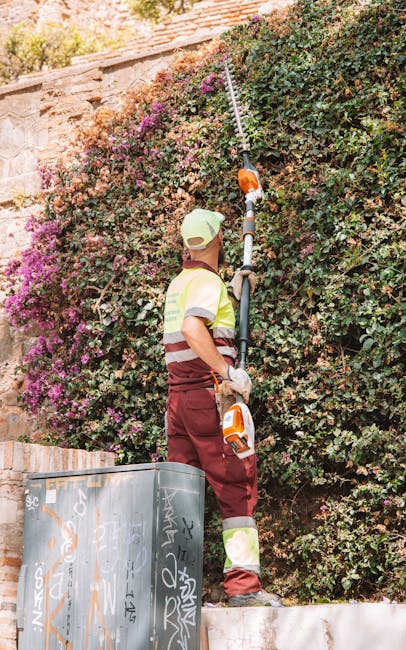
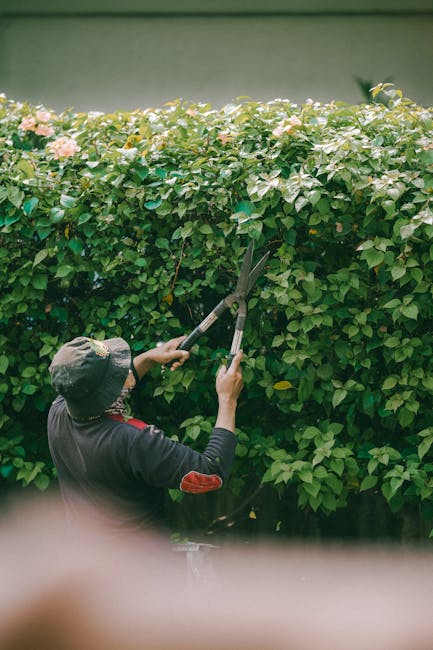
We provide hedge trimming in Coney Hall for gardens that need regular shaping, selective reduction or a more thorough tidy-up after a period of growth. The work can include routine hedge cutting, neatening uneven lines, managing seasonal growth and removing stray shoots so the boundary keeps a clear, controlled outline. Where hedges have become broad or top-heavy, the aim is to restore a tidy form without stripping them back too hard.
Our service is focused on practical garden presentation and healthy growth habits. A well-cut hedge can define a boundary, improve sightlines, and keep paths, drives and planting areas feeling orderly. We work with a range of common domestic hedge shapes and can support everything from straightforward maintenance cuts to more considered reshaping, depending on the hedge type and current condition.
If you are comparing options, start with a simple request for a quotation. That helps you decide whether a light trim, a fuller reduction or another garden service is the better fit for the work you want done.
Regular hedge care and seasonal maintenance
Routine hedge maintenance is often the most effective way to keep growth manageable. When trimming happens before a hedge becomes overly dense, the work is usually more even and the final outline easier to maintain. We can keep the sides neater, define the top line and remove new growth that would otherwise make the hedge look untidy or uneven. This is especially useful for hedges that frame front gardens, driveway edges or shared boundaries.
Different hedge species respond in different ways, so the approach needs to suit the plant rather than forcing a single finish. Some hedges benefit from a clipped appearance, while others need a softer reduction that keeps enough leaf material to recover well. We take that into account when planning the cut and can adapt the finish to the hedge’s existing shape, thickness and location in the garden.
In many cases, the main decision is whether the hedge needs maintenance trimming or a more noticeable correction. If the hedge has simply grown beyond its usual outline, a tidy cut may be enough. If it has started to spread or lose definition, a more involved reduction may be more appropriate. Either way, the goal is to leave the hedge looking deliberate rather than simply shortened.
Shaping, reduction and boundary definition

Hedge trimming is not only about cutting back growth; it is also about shape. A hedge that leans, bulges or narrows in the wrong place can change how the whole garden reads. Careful shaping can improve symmetry, restore a straight line along the top, and help the hedge sit more comfortably against lawns, fences, paving or planting beds. That is often as important as the cut itself.
Where height or width needs to be reduced, we look at the hedge as a whole rather than treating every section the same. A gradual reduction may be more suitable than an aggressive cut, particularly if the hedge is mature or if you want to preserve privacy. Reducing a hedge sensibly can keep it useful while making the garden feel more open, orderly and easier to manage.
We also help with hedges that have become uneven after previous cutting or natural growth differences. In those cases, the work may involve rebalancing both sides, straightening the top and removing branches that disrupt the overall line. When the trim is done carefully, the hedge should look finished from more than one angle, not just from the front.
What is usually included in the work
The exact scope depends on the hedge and the result you want, but hedge trimming commonly involves cutting back fresh growth, levelling the top, tidying the faces and removing excess material from the base or edges where needed. A neater finish often comes from combining several small adjustments rather than making one heavy cut. That produces a cleaner line and helps the hedge keep its shape for longer.
It is also sensible to consider the surrounding area. Low branches over paving, lawns or borders can affect access and make the garden look less defined. In those situations, a trim may include careful clearing around the lower edge so the hedge sits neatly within the space. Where there are adjoining plants or structures, the work is planned to avoid unnecessary disturbance to nearby features.
For straightforward comparison, it may help to think of the service in three parts:
- routine trimming to maintain an established shape
- selective reduction to bring a hedge back within bounds
- reshaping to correct uneven growth or a tired outline
Working with different hedge types

Some hedges tolerate frequent trimming and can be kept in a crisp, formal shape. Others are better handled with a lighter hand so the hedge retains enough leaf cover and looks healthy after cutting. The right result depends on the species, the time of year, the thickness of the growth and how long it has been since the hedge was last cut. A careful approach helps avoid finishes that look harsh or patchy.
Evergreen hedges often need regular attention to stay dense and tidy, while mixed or broader-leaved hedges may need more selective work. If growth has become woody or sparse in places, the trimming may be limited by the hedge’s condition. In those cases, the aim is to improve the visible line and reduce the most obvious irregularities without making promises that the plant itself cannot support.
Hedge work is also affected by position. Hedges along paths or front boundaries may need a sharper visual edge, while hedges deeper in the garden may be managed more for health and proportion than for formal appearance. Matching the cut to the hedge’s role in the space is often what separates a routine tidy-up from a genuinely better finish.
How to prepare for a quotation
To help with a quotation, it is useful to note roughly what the hedge is, where it sits and what kind of finish you want. If one side is open to a lawn and the other runs along a fence or wall, that can affect how the work is approached. Clear information about height, length and the general condition of the hedge makes it easier to judge the level of trimming required.
Photographs can also be helpful if you want to show the hedge from more than one angle. A view from the front, one from the side and one that shows the full run of the hedge usually gives a better picture than a single image. If there are access considerations, nearby plants or features that need to be kept clear, mention those as well so the quotation reflects the actual work.
Once you know what the hedge needs, you can request a quotation and compare it with any wider garden work you may be considering. Our pricing and quotes page is a sensible place to begin if you want to move from a general enquiry to something more specific.
Garden tidy-up alongside hedge work
Hedge trimming is often most effective when it is part of a broader garden tidy-up. A hedge can look neatly cut but still feel out of place if the surrounding growth is untidy, so it is worth considering whether nearby borders, paths or lawns also need attention. Keeping the hedge and its immediate surroundings in proportion usually gives the best overall result.
For that reason, some customers choose to combine hedge work with other garden maintenance tasks where appropriate. If the hedge is framing a lawn or a planted edge, the overall impression may improve when the adjoining areas are also kept neat. That approach can be especially useful when the hedge sits at the front of the property, where appearance is shaped by several visible elements at once.
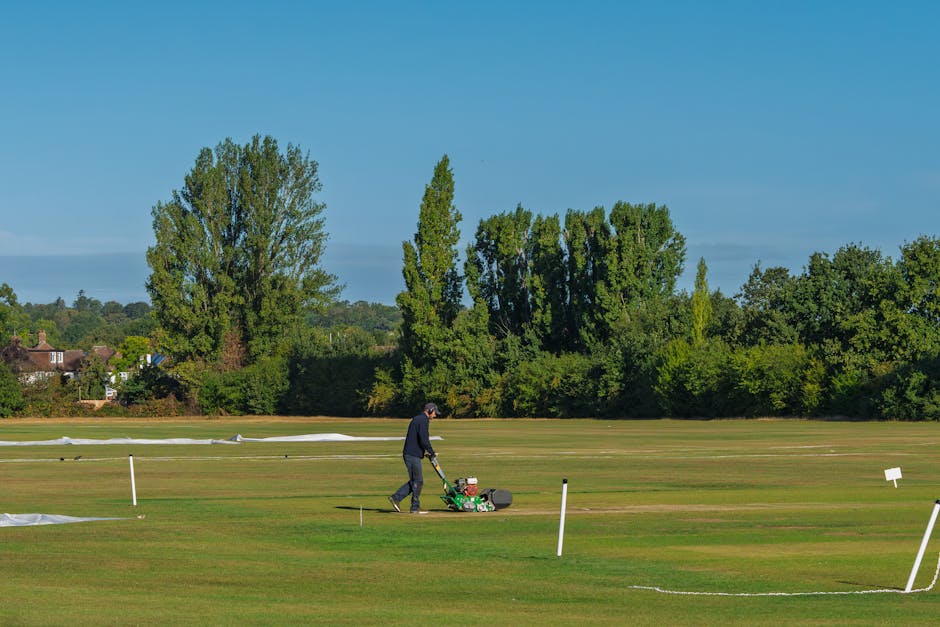
Useful related pages on this site include garden maintenance for ongoing care, and lawn mowing if the hedge forms part of a wider seasonal tidy-up. When several garden jobs are handled together, it becomes easier to plan the order of work and keep the space looking consistent.
About Coney Hall

Coney Hall is a residential area in the London Borough of Bromley, in Greater London, situated near West Wickham and closely associated with the south-east London suburban landscape that expanded through the twentieth century. The area takes its name from Coney Hall Farm, and much of its character reflects later suburban development rather than a historic village core. As with many parts of Bromley, the local street pattern is defined by housing estates, smaller roads and green edges rather than a compact centre. Nearby open land and parkland have long influenced the feel of the district, with the wider borough containing a mixture of suburban streets, civic spaces and wooded landscapes. The area sits close to transport links that connect it with surrounding neighbourhoods, while everyday life is shaped by local schools, residential roads and access to shopping and community facilities in the nearby town centres. Its setting gives it a recognisable suburban identity within Bromley, with the name Coney Hall used for the local neighbourhood rather than for a separate town. That distinction matters because the area is part of a broader London district, yet it still has its own local identity in everyday use.
Managing larger or more detailed hedge jobs
Some hedges need more than a light tidy. A tall, wide or overgrown hedge may require careful staging so the cut remains controlled and the finished line stays even. In those cases, it is often better to work methodically rather than remove too much at once. That can help protect the hedge’s shape and reduce the chance of leaving it thin, uneven or visually harsh.
There can also be practical decisions around where to begin. If one section is particularly overgrown, it may be better to level the most awkward parts first before refining the rest of the run. This makes the final shape easier to judge. A hedge that has drifted out of line over time can usually be improved by patient, measured cutting rather than a quick, heavy reduction.
When a hedge runs alongside a drive, boundary or access route, the appearance of the lower section matters as much as the top. A finish that is neat from head height but untidy at ground level can still make the garden feel unsettled. Trimming can therefore include attention to the visible face of the hedge as well as the silhouette seen from a distance.
Planning the right finish for your garden

The best hedge finish depends on the role the hedge plays in the garden. A boundary hedge may need to stay substantial enough to provide privacy, while a decorative hedge may be shaped more precisely to suit paths, borders or a formal layout. The work should reflect that purpose rather than following a single pattern for every garden. That is why the same hedge can be approached differently depending on the result you want.
Where a hedge is part of a larger planting scheme, its line should work with nearby shrubs, beds and hard surfaces. A hedge that is neatly trimmed but out of scale with the rest of the space can still feel unresolved. The most useful approach is usually the one that keeps the hedge healthy, visually balanced and easy to maintain between visits. If you are ready to move forward, request a quotation and tell us what you would like the hedge to achieve.
Contact us to arrange a quote for hedge trimming in Coney Hall. If you are also weighing up wider garden work, it may help to look at our services overview and decide which tasks should be grouped together.