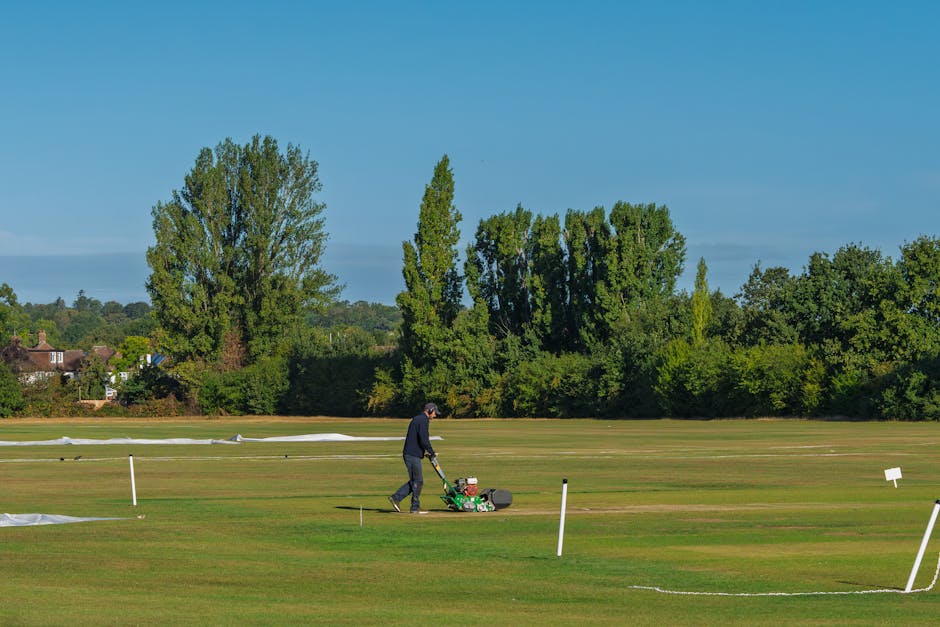
Top garden maintenance tips near Coney Hall Recreation Ground
If you're looking for top garden maintenance tips near Coney Hall Recreation Ground, you're probably after something practical, local, and actually useful - not a fluffy list of "water more and mow sometimes". Fair enough. Gardens around this part of Bromley can face a mix of shade, foot traffic, compacted soil, wind exposure, and the usual London gardening headaches: one week it's drizzling, the next week the borders are dry and a bit sulky.
This guide is built for homeowners, landlords, busy families, and anyone trying to keep a garden looking neat without turning every weekend into a second job. We'll cover what makes garden maintenance in this area slightly different, how a sensible maintenance routine works, the common mistakes people make, and the best ways to keep lawns, hedges, beds, and patios looking sharp across the seasons. Along the way, you'll also find useful internal resources for related services such as lawn mowing, hedge trimming, and garden clearance if you want to go from "getting by" to properly on top of things.
Truth be told, good garden maintenance is less about heroic effort and more about consistency. A little attention, often, beats a huge clean-up once the place has got away from you. Let's get into it.
Table of Contents
- Why Top garden maintenance tips near Coney Hall Recreation Ground Matters
- How Top garden maintenance tips near Coney Hall Recreation Ground Works
- Key Benefits and Practical Advantages
- Who This Is For and When It Makes Sense
- Step-by-Step Guidance
- Expert Tips for Better Results
- Common Mistakes to Avoid
- Tools, Resources and Recommendations
- Law, Compliance, Standards, or Best Practice
- Options, Methods, or Comparison Table
- Case Study or Real-World Example
- Practical Checklist
- Conclusion
- Frequently Asked Questions
Why Top garden maintenance tips near Coney Hall Recreation Ground Matters
Gardens near Coney Hall Recreation Ground often sit in a very ordinary but very demanding real-world setting: family homes, footpaths, nearby green space, and changing conditions that can make maintenance feel strangely uneven. A garden can look tidy in early spring and then, after a few damp weekends and one fast-growing hedge, suddenly feel like it needs a full intervention.
That's why good garden maintenance matters. It protects curb appeal, but it also helps with plant health, drainage, and everyday use. If your garden is somewhere children play, pets run about, or guests wander through with muddy shoes, small maintenance issues have a knack for becoming bigger ones. A patch of moss becomes a slippery path. A neglected hedge starts blocking light. Leaves build up and smother borders. Very quickly, the whole space feels harder to use.
There's also the local context to think about. Near a recreation ground, many people value a garden that feels neat, calm, and easy to manage. You don't need a show garden. You need something that looks cared for, stays resilient through the seasons, and doesn't eat your entire Saturday. That's the sweet spot.
For larger or more tired gardens, a maintenance routine often works best when paired with one-off tidy-up services. If your outdoor space has become a bit overwhelming, a planned reset using garden tidy-up services or a broader garden maintenance plan can make the whole job feel manageable again. Not glamorous, but effective.
How Top garden maintenance tips near Coney Hall Recreation Ground Works
Good garden maintenance works on a simple principle: stay ahead of growth, debris, pests, and seasonal stress before they pile up. That sounds obvious, but in practice most gardens fail because jobs are left to drift. A few missed cuts here, a few fallen leaves there, and then one day you're pruning as if you're opening a jungle reserve. Slight exaggeration, maybe. Not by much though.
The best approach is to break the garden into zones and work systematically:
- Lawn areas need mowing, edging, feeding, and occasional scarifying or aeration.
- Borders and beds need weeding, deadheading, mulching, and seasonal planting care.
- Hedges and shrubs need trimming at the right time so they stay dense, balanced, and healthy.
- Paths, patios, and hard surfaces need sweeping, weed control, and occasional pressure washing or moss removal.
- Trees and larger planting need monitoring for overhang, disease, and safety concerns.
In practice, the work is part routine, part judgement. For example, a lawn may look okay after a quick cut, but if it's been neglected for weeks it may need a slightly higher first mow, then a second neater pass later. Similarly, a hedge can be lightly shaped in summer yet require a more careful pruning strategy if birds are nesting or if growth is uneven. That's the difference between basic tidying and thoughtful maintenance.
If you're aiming for a cleaner long-term result, regular services such as grass cutting and planting can help keep the garden in balance rather than constantly recovering from overgrowth. Simple, yes. But very often that's the entire game.
Key Benefits and Practical Advantages
There's a reason well-maintained gardens feel better to be in. They're easier to use, easier to clean, and frankly easier on the eye. But the benefits go beyond appearance.
- Less weekend stress: Small jobs done regularly are much less exhausting than one huge clearance session.
- Healthier plants: Pruning, weeding, and feeding at the right time helps plants stay stronger and more balanced.
- Better safety: Clear paths, trimmed edges, and reduced moss or leaf build-up lower the risk of slips and trips.
- Improved property presentation: A neat garden can make a home feel more cared for from the first glance.
- More usable space: Whether it's a small back garden or a longer side area, tidy maintenance makes it feel bigger and calmer.
- Lower long-term costs: Preventing damage is usually cheaper than fixing neglected borders, dead lawns, or broken planting structures.
One thing people often underestimate is how much maintenance affects how a garden feels. A clean border, a clipped hedge, and a swept patio make even a modest space feel settled. On a damp morning, with that soft earthy smell after rain, it can be genuinely pleasant. Not grand. Just quietly good.
If you want a more polished finish around the edges, a bit of expert support with tree surgery or soil treatment may be worthwhile, especially where larger trees or tired soil are affecting the rest of the garden. That sort of groundwork matters more than most people think.
Who This Is For and When It Makes Sense
This kind of garden care is useful for a lot of people, but different readers come to it for slightly different reasons.
- Homeowners: You may want a tidy, welcoming outdoor space without having to become a part-time gardener.
- Landlords and letting agents: First impressions matter, and a manageable garden reduces complaints and end-of-tenancy headaches.
- Families: If the garden is used for play, pets, or BBQs, it needs to stay safe and practical.
- Older residents: Steady upkeep is often far easier than facing a large seasonal clear-out.
- Busy professionals: Regular maintenance is often more realistic than occasional deep cleans.
It makes sense to invest in maintenance when:
- the lawn is becoming patchy, uneven, or too long too often;
- hedges are shading windows or spilling onto paths;
- weeds keep returning in the same spots;
- you're losing use of the garden because it feels cluttered;
- you've just moved in and the garden needs a reset;
- you want to keep on top of things before spring or autumn gets busy.
To be fair, if you only notice the garden once it starts annoying you, you're not alone. Most people live that way. The trick is simply to catch the problem earlier next time.
Step-by-Step Guidance
Below is a practical way to approach garden maintenance near Coney Hall Recreation Ground without overcomplicating it. You can do this yourself or use it as a brief when arranging help.
1. Walk the garden properly
Start with a slow walk through the whole space. Look down for slipping hazards, look up for overhanging branches, and look along borders for weeds, dead stems, and overcrowded planting. It sounds obvious, but most people begin with the obvious bit and miss the awkward stuff.
2. Clear obvious debris first
Remove fallen leaves, broken twigs, litter, old pots, and any plant material blocking paths or sitting against fences. A clear garden is easier to read. You can see what actually needs doing once the clutter goes.
3. Deal with the lawn
Mow to suit the season and grass condition rather than chasing a single fixed height. If the grass is long, cut gradually instead of scalping it. Then edge the borders so the lawn looks defined. Even a small garden looks better after proper edging, honestly.
4. Weed thoroughly, not just superficially
Pull weeds from roots where possible, especially in borders and cracks between paving. If you only remove the top growth, many weeds will return quickly. A quick tidy can help for a day; proper weeding helps for longer.
5. Trim hedges and shrubs with intention
Cut back growth evenly and avoid taking too much at once. Dense hedges often respond better to regular light trims than rare hard cuts. If you've got flowering shrubs, check whether pruning now would remove buds or disrupt next season's display.
6. Refresh borders and soil
Rake the surface lightly, add mulch where needed, and remove weak or dead growth. Mulch helps retain moisture and suppress weeds, which is useful in warmer, drier spells. Around London, that extra layer can make a surprising difference.
7. Tidy hard landscaping
Sweep patios and paths, remove moss carefully, and check for blocked drains or standing water. If water is lingering after rain, the issue may be compacted soil, poor drainage, or debris blocking flow. A bit of observation goes a long way here.
8. Finish with a final inspection
Step back and look at the whole space. Ask yourself: can you move through it easily? Does it look balanced? Are the main jobs done, or just hidden under a neat surface? That final pass catches the small things that make a garden feel finished.
Expert Tips for Better Results
Once the basics are covered, a few small habits can improve the result quite a lot. These are the details that separate "tidy enough" from "properly looked after".
- Cut little and often: Lawns and hedges usually look better with regular attention than with hard, infrequent cutting.
- Work with the weather: Wet soil compacts easily, and cutting in strong sun can stress some plants. Choose your timing sensibly.
- Mulch after weeding: It makes beds neater and helps reduce repeat weed growth.
- Watch for tired soil: If plants keep looking weak, the issue may not be the plant at all.
- Keep edging clean: Borders and lawn edges frame the garden. Messy edges make everything feel unfinished.
- Do not over-prune for the sake of it: More cutting is not always better. Sometimes it just makes a plant look stressed and awkward.
A small but useful habit: keep a simple monthly note on what you've done. Nothing fancy. Just "mowed, pruned rose, cleared leaves, checked fence." It helps you spot patterns, especially if one corner of the garden always gets messier faster than the rest.
If you're dealing with awkward access, a steep gradient, or a garden that seems to fight back every time you tidy it, professional help with fencing or decking can also improve how easy the space is to maintain. Sometimes the smartest fix is structural, not cosmetic.
Common Mistakes to Avoid
Some maintenance problems keep coming back because the same few mistakes are repeated. The good news? They're usually easy to avoid once you notice them.
- Cutting too much at once: This can shock lawns, damage hedges, and leave plants exposed.
- Ignoring the edges: A garden with rough edges often looks untidy even if the rest is in decent shape.
- Letting leaf build-up sit: Wet leaves can smother grass, hide pests, and make paving slippery.
- Weeding too late: Once weeds set seed, you're borrowing trouble for the future.
- Using the wrong tools: Blunt or unsuitable tools make the job slower and rougher. Bit of a false economy.
- Forgetting drainage: A garden can look neat and still suffer if water cannot move away properly.
- Trying to do everything in one go: That's how people get fed up and leave the rest for "next weekend", which somehow never arrives.
One classic mistake is trimming hedges or shrubs without thinking about nesting birds, seasonal growth, or the shape you want long term. Another is treating all weeds the same. Some are easy annuals; others are persistent perennials with roots that laugh at a quick tug. Different tactics. Different results.
Tools, Resources and Recommendations
You do not need a shed full of expensive kit to keep a garden in good condition. A practical, well-kept handful of tools is usually enough for most homes near Coney Hall Recreation Ground.
| Tool or Resource | Best Use | Why It Helps |
|---|---|---|
| Manual or powered mower | Regular lawn care | Keeps grass neat and prevents the lawn from becoming patchy or overlong |
| Secateurs and loppers | Pruning shrubs and smaller branches | Gives cleaner cuts and better control than forcing it with the wrong tool |
| Hand weeder or hoe | Border and paving weeds | Helps remove weeds more thoroughly, especially around roots |
| Leaf rake and garden bags | Seasonal clear-up | Makes the garden safer, tidier, and easier to inspect |
| Mulch or compost | Border improvement | Supports moisture retention and reduces weed growth |
| Hose, watering can, or irrigation setup | Dry spells and new planting | Helps plants cope with stress, especially during establishment |
For bigger jobs, it's often more efficient to bring in help than to keep buying tools you'll only use occasionally. Services like weeding, lawn care, and ongoing garden maintenance can be a sensible option if time is tight or the garden has become difficult to bring back under control.
Small note: if you're dealing with a lot of growth after a mild, wet spell, don't assume the answer is just "more cutting". Sometimes the garden needs a balanced reset - a little pruning, a bit of feeding, maybe a rework of one tired area. Not everything has to be done in one heroic afternoon. Thank goodness.
Law, Compliance, Standards, or Best Practice
Garden maintenance isn't usually a heavily regulated activity for homeowners, but there are still sensible standards and best practices to keep in mind. Around London, the main thing is to work carefully, avoid nuisance, and respect safety and wildlife considerations.
- Noise and timing: If you're using powered equipment, it's wise to be considerate with timing, especially in residential streets.
- Waste handling: Green waste should be disposed of responsibly. Check local arrangements rather than leaving bags sitting around for days.
- Property boundaries: Be careful with hedges, roots, overhanging branches, and fence lines. A tidy result should not create a neighbour issue.
- Wildlife awareness: During nesting periods, be cautious with hedge cutting and tree work if birds are active.
- Working at height: If pruning or clearing higher areas, use proper equipment and judgement. A wobbling ladder is not the moment to improvise.
- Tool safety: Keep blades sharp, clean, and stored properly. Dull tools are more dangerous than people think.
For landlords and managed properties, it can also be useful to keep maintenance records, especially where regular garden care is part of your duty to keep the property presentable and safe. The exact requirements can vary, so if you're unsure, take advice suited to your situation. Better cautious than sorry.
Options, Methods, or Comparison Table
Different gardens need different approaches. A small rear garden with a few beds is not the same as a larger plot with mature hedges, old paving, and a lawn that never seems to stop growing. The comparison below shows the main methods people tend to use.
| Approach | Best For | Strengths | Limitations |
|---|---|---|---|
| DIY maintenance | Small to medium gardens with light growth | Low cost, flexible timing, personal control | Can become time-consuming and physically demanding |
| Occasional tidy-up visits | Gardens that drift out of shape now and then | Good for seasonal resets and catch-up work | Doesn't always prevent future build-up unless repeated |
| Regular maintenance plan | Busy households, landlords, or larger gardens | Keeps the garden stable and manageable year-round | Needs a bit of budget commitment |
| Specialist one-off services | Overgrown lawns, tall hedges, tough clearances | Useful for difficult or heavy jobs | May still need follow-up maintenance afterwards |
If you're weighing up which route to take, a good rule is this: use DIY for the steady little jobs, and bring in help when the work becomes repetitive, technical, or awkwardly physical. That's usually the point where people sigh, look at the hedge, and decide enough is enough.
Case Study or Real-World Example
Here's a realistic example from the kind of garden many people have near Coney Hall Recreation Ground. A family moved into a semi-detached house with a decent-sized back garden, but after a wet autumn and a busy winter, the lawn had become uneven, the borders were full of self-seeded weeds, and a laurel hedge had started pushing into the path.
At first glance, the garden looked like it needed a complete overhaul. But once it was broken into jobs, the work became manageable:
- the lawn was cut in stages rather than all at once;
- the border weeds were removed and the soil lightly refreshed;
- the hedge was trimmed back enough to restore the path;
- fallen leaves and debris were cleared from the corners;
- a simple maintenance schedule was set for the following months.
The interesting bit? The space didn't need a dramatic redesign. It needed consistent attention. After the first tidy-up, the garden felt lighter, more open, and much easier to use - especially for a family that wanted a practical space for summer evenings and weekend play. A small thing, maybe. But it changes how a home feels.
That's the real lesson. Most gardens don't need perfection. They need rhythm.
Practical Checklist
Use this checklist to keep your garden under control through the year. You can print it, save it, or just mentally tick it off while carrying a cuppa around the garden at 8 a.m. on a Saturday.
- Inspect the lawn for long patches, bare spots, moss, or uneven areas
- Mow regularly and avoid cutting too much in one go
- Edge borders and paths so the whole garden looks finished
- Remove weeds from beds, cracks, and gravel areas
- Trim hedges and shrubs at the right time for the plant type
- Clear leaves, twigs, and other debris before they build up
- Check for drainage issues after heavy rain
- Sweep patios, steps, and walkways
- Deadhead spent flowers where suitable
- Refresh mulch or compost in tired borders
- Inspect fences, trellises, and garden structures for wear
- Plan the next maintenance visit before the garden gets out of hand
Expert summary: The best garden maintenance near Coney Hall Recreation Ground is steady, seasonal, and realistic. Keep the lawn trimmed, the borders clear, the hedges shaped, and the hard surfaces safe. Do the small jobs before they become annoying jobs.
Get a free quote today and see how much you can save.
Conclusion
At the end of the day, the top garden maintenance tips near Coney Hall Recreation Ground come down to the same few habits: stay consistent, work with the seasons, and deal with problems before they spread. A tidy, healthy garden does not happen by accident. It happens because someone noticed the little things early and kept nudging them back into shape.
Whether you're looking after a compact front garden, a family back garden, or a more demanding outdoor space, a sensible routine makes life easier. And if the job has already got bigger than you'd like, that's not a disaster. It just means it's time for a proper reset and a better system going forward.
Start with the next small job. Then the one after that. That's usually how gardens get back to being a pleasure again.
Frequently Asked Questions
How often should I maintain a garden near Coney Hall Recreation Ground?
For most gardens, a little attention every one to two weeks works well in the growing season. Lawns may need regular mowing, while borders and hedges usually need less frequent but more thoughtful care. In quieter months, monthly checks can be enough to stay ahead of buildup.
What is the most important garden maintenance task?
There isn't just one, but lawn care, weeding, and hedge trimming are usually the big three. If you keep those under control, the rest of the garden is far easier to manage. Let those slide and the whole place starts looking tired quite quickly.
Is it better to do garden maintenance myself or hire help?
DIY can work well for smaller gardens and simple routines. If the space is large, overgrown, or physically awkward, hiring help is often more efficient. Many people use a mix: they handle the lighter tasks and bring in support for the heavier or more technical jobs.
What time of year is best for major garden tidy-ups?
Spring and autumn are often the most useful times for bigger clear-ups because they sit naturally around growth cycles and leaf fall. That said, the right timing depends on what the garden needs. A hedge or tree may need attention at a different time from a lawn or border.
Do I need to worry about nesting birds when trimming hedges?
Yes, you should be careful. If birds are actively nesting, avoid disturbing them. It's best practice to check the hedge first and work with caution if you notice signs of nesting activity. When in doubt, pause and reassess rather than pushing ahead.
How can I keep my lawn looking tidy without constant mowing?
Mow regularly enough that you never have to remove too much grass at once, and keep the edges neat. Feeding, watering sensibly in dry spells, and dealing with moss or compaction can also help the lawn stay healthier and easier to maintain.
What garden jobs are easiest to forget?
People often forget edging, deadheading, checking drainage, and removing debris from corners and behind sheds. These are small jobs, but they make a real difference to the overall look and usability of the garden.
Can garden maintenance help with drainage problems?
It can help indirectly by clearing blocked paths, removing leaf build-up, and spotting compacted or waterlogged areas early. If water is pooling regularly, though, maintenance alone may not solve the issue. That may need a closer look at soil, levels, or drainage design.
What should I ask before booking a garden maintenance service?
Ask what tasks are included, how often the work is recommended, whether waste removal is part of the service, and how the garden will be maintained over time. It's also sensible to ask whether they handle lawns, hedges, clearance, or planting, depending on what your garden actually needs.
How do I stop my garden from becoming overgrown again?
The best answer is a simple schedule. Set recurring lawn cuts, monthly border checks, and seasonal hedge or tree work before things get out of hand. A steady routine is much easier than a rescue mission every few months. Much easier, honestly.
Are there any safety issues I should watch for during garden maintenance?
Yes. Watch for slippery surfaces, unstable ladders, hidden stones, sharp tools, and branches under tension. If something feels awkward or unsafe, it usually is. Take your time, use proper equipment, and don't push a job beyond what feels sensible.
What if my garden is too far gone for basic tidying?
If the garden has become heavily overgrown, a full clearance or structured reset may be the better starting point. Once the space is back under control, normal maintenance becomes much easier. It's common, and it's fixable.