Hedge Trimming Coney Hall — Recycling and Sustainability
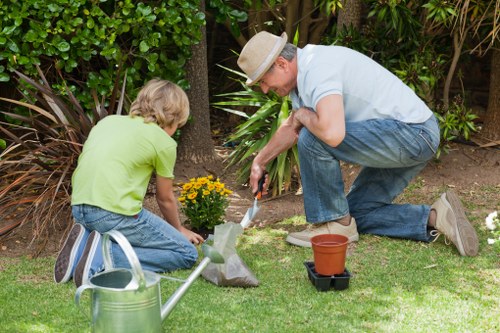 Hedge Trimming Coney Hall is committed to building an eco-friendly waste disposal area and a resilient, sustainable rubbish gardening area across Coney Hall and its neighbouring streets. Our approach combines local borough waste policies with practical on-site measures to keep green residues out of landfill, cut transport emissions, and support community reuse schemes. We actively monitor our performance and set clear targets to improve year on year.
As a specialist provider of hedge maintenance in Coney Hall and surrounding suburbs, we align our operations with the London boroughs' approach to waste separation — encouraging the clear segregation of garden waste, dry recycling and food waste where relevant. We use dedicated containers on site so clippings, woody brash and soil are handled separately from general rubbish, enabling higher-value recycling streams like composting and chipping for mulch.
Our Recycling Percentage Target
We aim for a minimum 85% diversion rate of all garden and hedge-related materials away from landfill within 12 months of collection. That target reflects a realistic, measurable objective for sustainable hedge trimming Coney Hall services, covering green waste, wood recycling, and materials re-use. The target is tracked monthly and reviewed with partners to ensure progress towards a long-term 90% diversion ambition.Local Transfer Stations and Civic Centres
We work closely with local transfer stations and household recycling centres in the wider Bromley area and neighbouring boroughs. Where appropriate, green waste and chippings are delivered to borough transfer stations or municipal recycling sites in Bromley, Croydon and Sutton that accept large volumes of garden refuse for composting and energy recovery. Using approved transfer facilities ensures material is processed under licensed conditions and supports the borough-level circular waste economy.Key recycling activities we run or facilitate include:
- Wood chipping on-site for reuse as mulch in parks and private gardens
- Segregation of green waste for municipal composting and anaerobic digestion
- Reuse of sound timber for raised beds, fencing repairs, and community projects
- Separation and recycling of metals, plastics and ceramics found during clearance
 We also adapt to the borough’s kerbside separation systems when coordinating collections: paper, glass, metal and rigid plastics are kept distinct from garden waste so that local authority recycling streams remain efficient. This coordination reduces contamination and improves recycling yields across all collections.
Partnerships with charities and community groups form a core part of our sustainable rubbish gardening area strategy. We collaborate with local environmental charities such as Groundwork London and Trees for Cities, as well as community allotments and food-growing projects, to channel usable materials — such as untreated timber, healthy compost and woodchip — back into social and ecological initiatives. Donations of reclaimed timber and mulch help support community planting and enhance green spaces within Coney Hall.
 Our charity partnerships also cover social enterprises that accept garden waste-derived products. For instance, surplus compost and mulch generated during bulky hedge clearances are distributed to community gardens or offered to local non-profit landscaping projects, reducing disposal costs and increasing local green infrastructure.
 Low-carbon vans and sustainable logistics are central to reducing the carbon footprint of our hedge maintenance services. We operate a fleet of low-emission vehicles, including electric vans and Euro-6 hybrids where charging infrastructure allows. Route optimisation and telematics further reduce mileage, while consolidated loads mean fewer journeys to transfer stations. This combination of clean vehicles and smarter logistics supports a low-carbon approach to hedge trimming in Coney Hall.
We maintain transparent reporting on waste streams and vehicle emissions. Regular audits show the proportions of material diverted to composting, reused in community projects, or sent for energy recovery. Our internal targets are supported by regular training for crews on in-field segregation, safe chipping practices and identification of materials suitable for donation.
How sustainable hedge management benefits the neighbourhood: it lowers local landfill rates, improves soil health through returned compost and mulch, supports biodiversity by reusing materials for habitat projects, and creates community value through charitable partnerships. By aligning our Coney Hall hedge services with borough waste policies and local transfer station capabilities, we deliver scalable environmental benefits.
In summary, whether you search for "Coney Hall hedge trimming" or "sustainable hedge maintenance in Coney Hall", our approach prioritises an eco-friendly waste disposal area and a resilient, sustainable rubbish gardening area. With an 85% diversion target, active collaboration with local transfer stations, charity partnerships, and a low-carbon van fleet, we are raising the standard for greener hedge trimming across the neighbourhood.