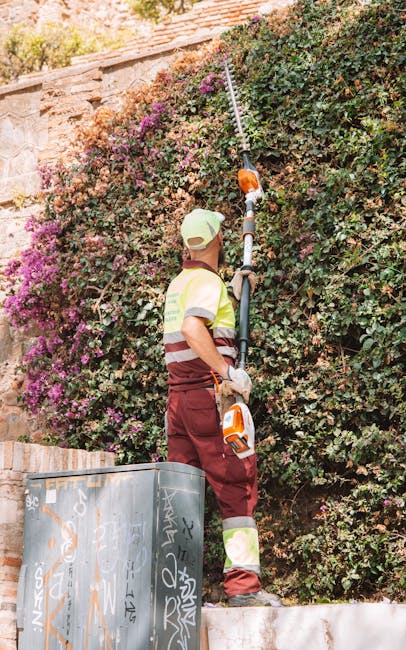
Tree work permits and gardeners guidance for Coney Hall
If you are planning tree work in Coney Hall, the first question is rarely about tools or ladders. It is usually this: can this job be done, and do I need permission first? That is where tree work permits and gardeners guidance for Coney Hall becomes genuinely useful. Whether you are dealing with a mature garden tree, a boundary hedge, or a clearance job that has quietly got out of hand, the right approach saves time, avoids unpleasant surprises, and keeps the work on the right side of local expectations.
In practical terms, this guide brings together the parts people often try to separate: tree permissions, garden maintenance decisions, safe working methods, and the everyday realities of keeping a Coney Hall garden tidy. It is written for homeowners, landlords, and anyone managing outdoor space who wants straight answers without the jargon.
If you are comparing services or planning broader outdoor improvements at the same time, it can help to look at the full range of garden services available as well as practical support such as regular garden maintenance and tree lopping and removal. Sometimes one small job turns into three. That is just how gardens work, honestly.
Table of Contents
- Why Tree work permits and gardeners guidance for Coney Hall Matters
- How Tree work permits and gardeners guidance for Coney Hall Works
- Key Benefits and Practical Advantages
- Who This Is For and When It Makes Sense
- Step-by-Step Guidance
- Expert Tips for Better Results
- Common Mistakes to Avoid
- Tools, Resources and Recommendations
- Law, Compliance, Standards, or Best Practice
- Options, Methods, or Comparison Table
- Case Study or Real-World Example
- Practical Checklist
- Conclusion
- Frequently Asked Questions
Why Tree work permits and gardeners guidance for Coney Hall Matters
Tree work is not just another garden task. A crown reduction, a heavy prune, or a full removal can affect neighbour sightlines, wildlife habitat, root stability, drainage, fences, and the overall character of a property. In a place like Coney Hall, where many gardens have established planting and mixed boundaries, those details matter more than people expect.
Gardeners guidance is important because not every issue is a tree issue. Sometimes what looks like a "tree problem" is actually hedge management, garden clearance, or an overgrown maintenance schedule that has drifted. A sensible gardener will look at the whole garden before recommending drastic action. That means asking: is the tree genuinely risky, or does it just need skilled trimming and a bit of time?
Permits matter because some tree work can be restricted by local controls, especially where trees are protected, within conservation-sensitive settings, or subject to conditions tied to planning permission. You do not want to discover that after the cut has started. To be fair, most people do not enjoy the permit side of garden work, but it is much easier to handle early than explain later.
Expert summary: Good tree work in Coney Hall is never only about cutting wood. It is about checking permission, matching the method to the tree's condition, protecting nearby planting, and leaving the site in a safe, usable state.
How Tree work permits and gardeners guidance for Coney Hall Works
The process usually begins with an assessment. That assessment should identify the tree species, size, condition, location, and any visible risks. It should also check whether the work is routine maintenance, a corrective cut, or something more substantial such as removal. A proper assessment is worth more than a quick glance from the pavement. You know the sort of thing: "That branch looks a bit low." Maybe. Or maybe the whole structure needs a more careful look.
From there, the next question is whether permission may be needed. In the UK, permission can be required for protected trees, or where local planning controls apply. Gardeners and tree workers do not usually decide that by guesswork. They check the situation, document what they have found, and advise the property owner before work begins.
Then comes the method. Good guidance means choosing the least disruptive option that still achieves the aim. For example:
- light formative pruning for younger trees
- targeted crown lifting where access is needed
- deadwood removal to reduce obvious hazards
- careful hedge shaping rather than overcutting
- selective tree reduction instead of unnecessary removal
Where the garden needs broader attention, it often makes sense to combine tree work with hedge trimming, garden clearance, or even landscape gardening. That way, the garden feels finished instead of half-done.
Key Benefits and Practical Advantages
There are a few reasons people in Coney Hall seek out this kind of guidance rather than just booking a cut and hoping for the best.
- Fewer delays: checking permission up front avoids last-minute stoppages.
- Better results: the right method protects the tree's long-term shape and health.
- Lower risk: careful planning reduces the chance of damage to fences, sheds, lawns, and neighbouring property.
- Cleaner budgets: combining related tasks can be more efficient than splitting them across several visits.
- More confidence: you know the work is being approached properly, not just aggressively.
There is also a quieter benefit people do not always mention. A well-managed tree changes how the whole garden feels. More light. Less clutter. A bit more breathing room around borders and seating areas. On a dull February afternoon, that extra daylight can make a surprising difference.
If you are aiming for a broader refresh, it may be sensible to review lawn mowing support alongside tree work. Small improvements tend to stack up. One tidy edge leads to another, and suddenly the garden looks intentional again.
Who This Is For and When It Makes Sense
This guidance is for anyone responsible for a garden in Coney Hall who wants tree work done properly. That includes:
- homeowners with mature trees near patios, roofs, or driveways
- landlords trying to keep outdoor areas manageable between tenancies
- families dealing with blocked light or overhanging branches
- older residents who want low-maintenance, safer gardens
- property managers dealing with boundary disputes or access issues
- people preparing a garden for sale or letting
It makes sense when a tree is obviously outgrowing its space, but it is just as relevant when the issue is subtler: a branch rubbing against a building, roots competing with planting, or a hedge line that has blurred into a tree canopy. Sometimes a garden does not look "bad" exactly. It just feels tired and slightly unmanaged. That is often the stage where professional guidance saves the most trouble.
And yes, sometimes the right answer is simply to do less. If a tree is healthy and has room, heavy cutting may be the wrong move. A good gardener should be comfortable saying that out loud.
Step-by-Step Guidance
Here is a practical way to approach tree work permits and gardeners guidance for Coney Hall without overcomplicating it.
- Identify the problem. Is it light, safety, access, appearance, or a combination?
- Check the type of plant. Tree, hedge, shrub, or mixed boundary planting all call for different treatment.
- Look for signs of protection or restriction. If a tree appears significant, treat permission checks seriously rather than casually.
- Assess the surrounding space. Nearby structures, driveways, fences, and services can affect how work should be carried out.
- Decide on the lightest effective method. Often a selective prune is better than a dramatic reduction.
- Plan waste handling. Branches, leaves, and timber should be removed or recycled properly.
- Book the work at the right time. Weather, nesting sensitivity, garden use, and access all matter.
- Review the finish. The site should be left safe, tidy, and ready to use.
A simple real-world example: a homeowner notices a tree shading a patio and assumes it needs cutting back hard. After inspection, it turns out the tree only needs deadwood removal and some careful crown lifting. The patio gets more light, the tree stays healthy, and the shape still looks natural. Not every fix needs a chainsaw moment. Thankfully.
Expert Tips for Better Results
In our experience, the best outcomes usually come from restraint, planning, and a decent conversation before any cutting starts.
- Ask for a full explanation. A good gardener or tree worker should be able to explain why a cut is being suggested.
- Think in seasons. Timing matters for plant recovery, garden use, and general tidiness.
- Protect the roots and soil. Repeated compaction around mature trees can do more harm than people think.
- Leave space for future growth. A tree should be managed for next year as well as this one.
- Match the solution to the garden. A small courtyard, a family lawn, and a mixed boundary garden each need different handling.
- Consider the whole outdoor picture. Sometimes tree work becomes part of a wider landscaping or maintenance plan.
If the job is part of a larger tidy-up, it may also be worth pairing it with recycling and sustainability-minded garden waste handling where possible. It is a small thing, but it reflects good practice and usually keeps the site neater too.
One more thing: take photos before any work begins. Simple, boring, useful photos. They help with clarity, especially if you are comparing options or trying to describe the issue later.
Common Mistakes to Avoid
A lot of tree and garden headaches come from the same few mistakes. Nothing dramatic, just avoidable stuff that tends to snowball.
- Starting work before checking permissions. This is the big one.
- Overpruning for convenience. It can leave trees stressed, uneven, or visually harsh.
- Ignoring nearby structures. Branches, tools, and falling debris do not always land politely.
- Confusing hedges with trees. They need different approaches and different timing.
- Leaving waste behind. A tidy cut with a messy finish is only half a job.
- Choosing speed over judgement. Fast is not always better. Sometimes it is just faster.
Another common issue is failure to coordinate with other garden tasks. If a tree job is happening and the lawn is already patchy, or the beds are full of debris, it may make sense to schedule a little wider tidy-up at the same time. A garden is a system, not a set of isolated chores. Bit annoying, but true.
Tools, Resources and Recommendations
You do not need a van full of specialist equipment to understand what good tree work looks like, but the right tools do help define the standard. At a basic level, useful work usually involves proper cutting tools, safety gear, waste removal equipment, and enough knowledge to use them without damaging the garden.
For homeowners, the most useful resources are often not tools at all, but documents and checks:
- photos of the tree before work
- notes about what you want to achieve
- access details for gates, side passages, and parking
- any previous maintenance records you have
- questions about timing, waste disposal, and aftercare
If you are choosing a provider, take a look at their approach to insurance and safety and their health and safety policy. That does not sound exciting, I know. But it tells you whether the business works in a professional way or just improvises. There is a difference.
For people who want a broader service rather than a one-off cut, it may help to compare tree work with ongoing garden maintenance. Sometimes the best investment is not a single dramatic visit, but a lighter, regular routine that keeps the whole space under control.
Law, Compliance, Standards, or Best Practice
Because tree work can touch on protected trees, neighbour boundaries, safety, and waste handling, it is sensible to treat compliance carefully. The exact permission requirements depend on the tree, its location, and any relevant local controls. If a tree may be protected, or if the work is significant, it is wise to verify the position before starting rather than assuming routine maintenance is enough.
Good practice in this area usually means:
- checking whether permission might be needed
- avoiding unnecessary damage to healthy trees
- working with suitable equipment and trained personnel
- managing waste responsibly
- protecting people, property, and neighbouring gardens
- keeping records of what was assessed and why work was recommended
There is also a customer-facing side to compliance. Clear pricing, written expectations, and fair terms matter. If you are arranging work through a local company, it is worth reviewing their pricing and quotes information and terms and conditions. That way, everybody knows what is included, what is not, and how the job will be handled if conditions change on site.
Best practice, in plain English, is simple: do the work legally, do it safely, and do not make the garden worse in the process.
Options, Methods, or Comparison Table
Choosing the right approach is easier when you compare the main options side by side. The right answer depends on the tree's condition, the garden layout, and the outcome you want.
| Method | Best for | Main benefit | Potential drawback |
|---|---|---|---|
| Light pruning | Healthy trees needing shape or clearance | Preserves structure and appearance | May not solve major crowding |
| Crown lifting | Paths, driveways, and lower access areas | Improves clearance and light | Needs careful judgement to avoid a lopsided look |
| Deadwood removal | Branches that are visibly dry or broken | Reduces obvious hazards | Does not address size or density |
| Selective reduction | Trees that have outgrown their space | Balances size with long-term health | Can look harsh if done too heavily |
| Removal | Unsafe, dying, or unsuitable trees | Solves severe space or safety issues | Usually the most disruptive option |
For many Coney Hall gardens, selective reduction or pruning is enough. Removal is sometimes necessary, but it should not be the automatic answer. If the tree is still contributing value to the garden, there is usually a better middle path.
Case Study or Real-World Example
A typical Coney Hall scenario goes like this. A family has a rear garden that feels darker every year. The tree nearest the patio is not dangerous, but it is beginning to dominate the space. The instinct is to remove it. Fair enough. When you are sitting outside and all you hear is the rustle of heavy branches overhead, it can feel like the tree is winning.
After a proper assessment, the better solution turns out to be a careful reduction, selective thinning, and some boundary tidying around the nearby hedge line. The work opens up the patio, improves circulation of light, and keeps the tree in place. The garden feels bigger without losing its structure.
That sort of job often works best when it is coordinated with other services such as lawn mowing and, if the space needs a reset, garden clearance. Once the larger shapes are sorted, the smaller details matter much more.
The key lesson is simple. A good outcome is not always the most dramatic one. It is the one that fits the garden and lasts.
Practical Checklist
Use this checklist before approving any tree work in Coney Hall.
- Have I identified exactly what needs doing?
- Could this involve a protected or restricted tree?
- Have I checked whether permission may be needed?
- Do I understand the proposed method and why it has been chosen?
- Will the work affect fences, paths, sheds, lawns, or neighbouring land?
- Is waste removal or recycling included?
- Have I asked how the site will be left at the end?
- Do I want this linked to other garden work at the same time?
- Have I reviewed safety, insurance, and payment terms?
- Am I comfortable that the plan is proportionate, not overly aggressive?
If you can tick most of those off, you are in a much better place. If not, pause. Ask a few more questions. No rush.
Conclusion
Tree work permits and gardeners guidance for Coney Hall is really about making good decisions before the first cut is made. Get the checks right, choose the least disruptive method that solves the problem, and keep the whole garden in view rather than staring only at one branch or one hedge line. That approach tends to save money, reduce stress, and produce a better-looking result too.
For most property owners, the smartest path is a measured one: assess carefully, confirm what permissions may apply, and work with a team that treats the garden with respect. A tidy result is nice. A safe, compliant, long-lasting result is better.
Get a free quote today and see how much you can save.
If you are ready to improve the condition, safety, and appearance of your outdoor space, start with a proper conversation and a realistic plan. Gardens respond well to patience. They really do.
Frequently Asked Questions
Do I always need a permit for tree work in Coney Hall?
No, not always. Some routine maintenance may not require permission, but protected trees or controlled situations can involve specific checks. It is sensible to verify before any major work starts, especially if the tree is mature or significant.
What counts as tree work rather than general garden maintenance?
Tree work usually involves pruning, crown lifting, reduction, deadwood removal, or removal of a tree. General garden maintenance covers broader care such as hedge trimming, lawn care, weeding, and keeping planting areas tidy.
How do I know if my tree is protected?
You may not be able to tell just by looking, which is why assessment matters. If a tree seems substantial, old, or particularly prominent, treat it as something to check carefully rather than assume it is unrestricted.
Can gardeners handle tree work as well as tree specialists?
Sometimes, yes, depending on the nature of the job and their experience. Smaller pruning or garden-led tree maintenance may be fine, but more complex or higher-risk work should be handled by people with the right skills and safety approach.
Is removal better than pruning if a tree is getting too big?
Not necessarily. Pruning or selective reduction may solve the issue while preserving the tree. Removal is usually reserved for trees that are unsafe, unsuitable, or beyond sensible management.
What should I ask before booking tree work?
Ask what the goal is, whether permission might be needed, how the work will be carried out, what happens to waste, and whether the price includes site clearance. Those questions reveal a lot very quickly.
How can I avoid damaging my garden during tree work?
Plan access carefully, protect lawns and borders where needed, and make sure the team knows about fragile areas, sheds, fences, and planting beds. Good communication helps more than people think.
Should tree work be linked with hedge trimming or clearance?
Often, yes. If the garden is overgrown overall, combining tree work with hedge trimming or clearance can create a neater finish and reduce the need for repeat visits. It also makes the garden feel more settled afterwards.
What happens if I skip the permission checks?
That can cause delays, disputes, or the need to undo work. It is one of those jobs where a short delay up front is usually better than a messy problem later.
How often should trees in a normal Coney Hall garden be reviewed?
There is no single rule, because tree size, species, and location all matter. As a practical matter, a regular visual review is wise, especially after strong winds, seasonal growth, or changes to the surrounding garden.
What is the best time of year for tree work?
It depends on the tree, the type of work, and the garden's use. Timing should support both the health of the tree and the practical needs of the property, rather than following a one-size-fits-all rule.
Where can I find related help for a bigger garden project?
If the tree work is part of a broader tidy-up or improvement plan, it can be useful to look at about the team, recycling and sustainability, and getting in touch when you are ready to talk through the job. A slightly bigger conversation often leads to a better result.